How to Plan a Wooden Fence

When building a wooden fence, it is important to plan thoroughly. This can help you avoid costly mistakes. A good plan also ensures that the project is completed according to your vision.
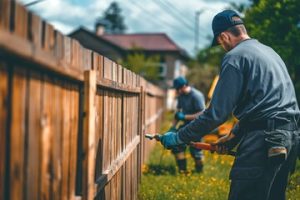
Wooden Fence

Always check for buried utility lines before starting construction. Contact the local utility locator to get this done for free.

If you are looking to add a new wood fence on your property, it is important to understand the cost factors involved. The type of wood, fence style, terrain and additional required labor can all affect the cost. Generally, pine and spruce are on the lower end of the price scale while cedar is at the higher end. The type of wood used can also influence the durability and longevity of a fence.

Wood is an organic material, which means it is susceptible to damage from the elements. It can develop rot, mold and mildew, or become infested with insects. This can reduce its lifespan by years. Proper maintenance can protect your wooden fence from these problems and maintain its beauty and value. This includes regular inspections, cleaning and staining or painting, repairing damages, and pruning nearby vegetation.

A sealant can help keep your wooden fence water-resistant and fungus-proof. It can also be applied to wood fencing to block UV rays. These rays can cause the wood to expand and contract, which is harmful to the structure. You should reseal your fence every 3 to 5 years.

You can also use a protective stain to extend the life of your wooden fence. Stains can be clear or colored to complement different types of wood fences. They also help protect against sun exposure and weather. A good quality stain will last for 10-15 years, and will help preserve the color of your fence.

The durability of a wood fence depends on several factors, including the materials and construction quality. In addition, the type of climate in which a wooden fence is installed can affect its lifespan. Wood fences that are exposed to heavy rain or snow may experience more wear and tear, whereas those in hot climates may be more susceptible to rot or fungus.

Wood fences are prone to insect infestation, especially termites and carpenter ants. These pests can weaken the structure of a fence and cause significant damage over time. It is important to use proper pest control techniques and implement preventive measures before the infestation becomes a major problem.

Durability

Wooden fences can be incredibly durable when they are maintained properly. Whether it is cedar or pressure treated pine, these materials can last for many years, although they will require periodic staining. Staining can protect the wood from rot, mildew and other issues. It also enhances the look of the fence and helps it resist moisture and UV rays. A stain can be applied using a brush, roller or sprayer, but the surface should be completely dry before it is resealed.

Wood fencing requires a lot of maintenance, especially in wet climates. Rain, snow and freezing temperatures can damage the wood and cause it to expand or contract. Moisture can lead to the growth of mildew and mold, and it can also encourage fungus and moss on the fence. If left unprotected, the wooden fence will become discolored and lose its original beauty.

Some types of woods are more resistant to rot and insect damage than others, but they all need proper care. Cedar, for example, is naturally resistant to rot and can last 30 years or more when stained regularly. Pressure treated pine, on the other hand, isn’t as durable and can begin to rot within 15 years.

In addition to staining, regular cleaning can help protect a wood fence from rot and insect infestations. Insects like termites, Carpenter ants and Powder Post Beetles can cause severe damage to wooden outdoor structures. These insects can also eat through concrete and steel posts, so it is important to take steps to protect your fence against them.

In addition to reducing the need for costly repairs, wood-protective coatings can add curb appeal and protect the value of your home. It’s important to choose a quality product that is backed by a warranty and has a long life-cycle. A longer guarantee means that you can trust the quality of the materials and workmanship. You should also check local zoning laws and homeowner association regulations before installing a fence on your property. This will ensure that your fence complies with any height restrictions and zoning setbacks from neighbors.

Maintenance

Wood fences require regular maintenance to remain attractive and functional. These routine tasks protect the structure from environmental threats, extending its lifespan and boosting property value. These activities also address minor issues before they escalator into costly repairs. This type of proactive approach avoids the need for costly replacements and ensures that the fence performs its intended purpose, such as providing privacy or defining property lines.

One of the most important maintenance steps is applying a high-quality sealant to the fence every 2-3 years. This protective layer acts as a shield, guarding the wood from moisture ingress and harmful UV radiation. In addition, the treatment provides a rich color that enhances the natural beauty of the wood.

It is vital to choose a stain that is compatible with the wood type, as different types of wood react differently to treatment products. For example, softwoods absorb more treatment than hardwoods. In addition, certain types of wood have natural oils that repel some treatments.

Choosing the right stain will significantly increase the life of your wood fence. It will also help the wood resist rot and other weathering problems, such as warping and cracking. It is also a good idea to choose a stain that has a UV protection factor. This will prevent the color of the stain from fading in the sun.

Aside from staining, a wood fence should be regularly inspected to look for damage. This includes checking for insect damage, rot, landscaping damage, and loose pickets. You can also inspect the posts for rotting or leaning. If you notice any of these issues, you can repair them with ease. For example, you can pound loose pickets back into place or use a PVC glue to strongly adhere them to the post.

Other routine maintenance tasks include cleaning the fence, securing hardware, and trimming plants that may encroach on the fence. This helps to prevent moisture accumulation and averts pest infestation. In addition, this task allows for adequate airflow around the fence, minimizing the risk of damp conditions that can lead to wood rot and decay.

Design

When choosing a wood fence, homeowners have many options in terms of design and construction. They can choose between different types of wood, varying heights and design patterns, and stains to match their home’s color palette. They also have the option to add other features like kickboards, lattice tops and different gate designs.

Before you begin building your fence, it is important to determine the size of the space you are enclosing and the requirements of local zoning laws. In addition, consider your personal preferences and budgetary constraints. Ultimately, you want to make sure that your wood fence is built using high-quality materials and is properly installed to ensure durability and longevity.

To determine how much material you will need, start by measuring the perimeter of your property with a tape measure or surveying wheel. Then, stake out the corners of your proposed fence line with wooden stakes. It’s a good idea to use a batter board and string lines to help you align the posts accurately. This will save you time and effort in the long run, as it will be easier to correct mistakes early on than later.

Once you have the stakes in place, tie a string around each one to mark the distance between them. Make sure that the strings are parallel and consistent. This will ensure that the fence posts are evenly spaced and will not sag over time. It is also a good idea to use a level to check the accuracy of the marks and lines you have made.

In terms of materials, most fence builders choose pressure-treated pine for the frame of their fences. This is a cost-effective option, but it is not as durable as cedar and may require more maintenance over time. It is best to use cedar for the infill boards if possible, but you can still opt for pine if it is in your budget.

Wooden fences are a popular choice for home owners because they offer privacy, security, and visual appeal. They can also increase the value of your home, as they are a desirable feature for potential buyers. However, it is important to understand the specific weather conditions in your area before installing a wooden fence. If your climate is characterized by hot, sunny days and cold, rainy ones, it is best to choose a wood that can withstand these changes in temperature.
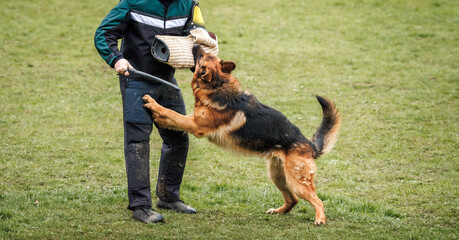

Canine Training for Rescue and Life With Pets

Training helps to shape well-rounded dogs, and it also helps to build trust between the dog and their owner. Training is especially important for rescue dogs, many of whom may be wary or anxious in new environments due to their past experiences.

This symbiotic relationship augments prisoners’ lives, and some participants go on to pursue dog training as a career after their release. We look at a program that trains rescue dogs while teaching incarcerated people valuable marketable skills.

Positive Reinforcement

Positive reinforcement is the most effective way to train a dog. It works because it teaches the dog that when they follow your command, they are rewarded with something they enjoy. This is what motivates dogs to learn and perform the behavior, and it also gives the pet a sense of confidence and control over their behavior.

When a desired behavior is successfully performed, it should be positively reinforced immediately to increase its likelihood of being repeated. This could mean giving a treat, patting, or verbal praise. It is important to avoid rewarding undesirable behaviors, such as ignoring your dog when it barks or playing with it when it play-bites. Many people erroneously believe they are disciplining their pet when they yell commands, but yelling often increases a dog’s arousal level and may encourage aggression.

It is also important to avoid negative reinforcement, which is taking something away that decreases a behavior. For example, if a dog snaps at someone, removing access to food or play will decrease its frequency (negative punishment). This is also known as extinction training and should be used as a last resort.

Setting Realistic Goals

Whether you’re working to improve basic obedience skills, teaching your dog new tricks, or overcoming behavioral issues, it’s important to set realistic goals and avoid getting discouraged by setbacks. It’s also important not to compare your progress to other pet owners or trainers, as every dog learns at their own pace and has unique needs.

Setting attainable training goals is essential for creating a positive learning environment and enhancing the bond between dog and owner. These objectives act as a compass for training sessions, ensuring that each step contributes to the overall progress of behavior modification.

Goals should be customized for the dog’s specific needs and capabilities, as well as its age and breed. For example, a young puppy should focus on socialization and basic obedience, while an older dog may benefit from advanced training or behavior modification strategies.

Using science-backed methods, such as encouragement and redirection instead of physical punishment or forceful collar corrections, helps create a safe, rewarding experience for both parties. Taking small steps towards a larger goal and celebrating each milestone is also important for keeping training momentum and maintaining a healthy, positive relationship.

Training Together

Training is not just a tool for teaching commands, but it is also a way for you to bond with your dog. The positive interaction in training sessions strengthens the bond and provides emotional fulfillment to both dogs and their owners. It also reduces stress that can lead to behavioral issues like chewing, barking, and anxiety.

The one-on-one attention involved in training provides a sense of purpose to your rescue dog. This can be a great outlet for their energy and helps them stay mentally sharp, engaged, and physically active.

In addition, training helps you set clear boundaries with your dog and establish a respectful relationship that fosters trust. This can help you avoid potential liability issues that result from a poorly behaved pet.

This is especially important if your dog is re-homed from a shelter or rescue where they may have had limited socialization to people, new environments, and other dogs. Training can significantly improve their reaction to different people, places, and dogs.

Often, dogs with reactivity or aggression issues in adoptive homes will not do well with other animals in the home. These dogs will need to be trained individually and taught how to interact with other dogs safely and appropriately. This will minimize their negative impact on other pets and household members, as well as the risk of them running loose in the community.

Behavioral Issues

Dogs with behavior problems are often frustrated and distressed. Most behavioral problems can be corrected with time, patience, and a good-quality professional trainer using reinforcement-based training techniques.

Some common problems include incessant biting during play, house soiling, barking or whining, escaping or chewing behaviors that result in injury (like broken teeth or cut and scraped paws), separation anxiety, and territorial behavior. Many of these are normal behaviors that can be redirected with positive behavior and management, while others require more intensive treatment such as medication, aversive stimuli to reduce arousal, desensitization, reconditioning, or response substitution.

In some cases, the underlying cause of the problem may be a health issue, such as pain. This can be addressed with a visit to your veterinarian, and if necessary, medical or dietary treatment. For most dogs, however, the issue is a result of anxiety or other normal but undesirable behaviors. In these cases, counseling from veterinary staff or trainers with extensive knowledge of dog behavior and management is required. Some of these behavioral issues also respond to short-term medications. These are generally sedatives or antianxiety drugs, but can also be analgesics. Regardless of the type of medication used, a good quality trainer and ongoing follow-up visits are important. Some of these behaviors are triggered by specific situations, such as the presence of other dogs or the owner’s actions. These can be redirected with a behavior plan that minimizes interaction and focuses on rewarding the desired behavior.

The Duct Cleaning Process Explained Step by Step

Duct Cleaning Salt Lake City

All the air that comes in and out of your building passes through your ductwork. If your ducts are dirty, it may be time for a cleaning.

Duct Cleaning involves the use of specialized tools to dislodge and vacuum dirt and debris from ductwork systems. In this article, we’ll go over the process step by step so you can understand it better.

Agitate and Draw Debris

Over time, dust and debris collect on all surfaces in a home, including air vents. When the HVAC system runs, these contaminants are sucked into the ductwork and recirculated five to seven times every day. This recirculation can lead to major indoor air quality issues. Poor air quality can exacerbate respiratory problems and cause sneezing, coughing, wheezing, headaches and dizziness. Fortunately, there are ways to keep dust and other debris from collecting inside ducts. Cleaning ducts on a regular basis is one way to prevent air pollution and keep indoor temperatures comfortable.

The first step in the duct cleaning process involves visual inspection of the return and supply vents. This helps the technician identify where the dirt and debris is located and how much is in each duct. It also allows them to assess if the ducts are in need of cleaning or repairs, as well as determine whether they’re fully functional.

After a thorough visual inspection, technicians can use a variety of tools to clean the ductwork. The mechanical agitation technique uses brushes or whips that spin and release compressed air to agitate the ducts. This process is often used in larger commercial systems or older ductwork that’s difficult to clean with brushes or airflow alone. This method is also effective for removing thick layers of dirt and compacted debris.

In contrast, the high-pressure air washing method uses intense streams of compressed air to blast apart heavy and hardened deposits in ducts. This method is especially useful in removing dirt and other debris from ducts with long, narrow cavities. High-pressure air washing can be very effective at breaking apart stuck-on debris and moving it toward a vacuum hose for immediate removal, but it’s also an effective method for removing spores and other microscopic particles that normal duct cleaning processes are not likely to remove.

Once the dust and debris has been agitated or dislodged, a truck-powered vacuum can be used to suck it out of the ductwork. This step is especially important because it creates negative pressure in the ductwork so that the dirty air stays in the ducts and does not escape into the home.

Truck-Powered Vacuuming

A key component of any professional air duct cleaning service is the power vacuuming system that draws away dust, dirt, and dislodged debris. This is why it’s essential to know the difference between companies that use Portable vacuum systems and those that employ Truck-Mounted cleaning systems.

In most cases, the best option is to choose a company that utilizes a powerful vac truck. These large vehicles are built specifically for the purpose of industrial strength sludge and waste removal. They’re also used for sewer line cleanup, tank cleaning, and general waste removal. Oftentimes, they can be seen in factories and warehouses as well as retail stores, restaurants, and banks.

Truck-mounted vacuum systems provide superior power and larger hose diameters than portable systems. This allows them to remove a wider range of materials, including ceramic tile scraps, caulk tubes, and even empty food bags and hammers. The resulting debris is then quickly and efficiently whisked away through the truck’s large collection hose to be stored in the onboard trash container for proper disposal.

The fact that the truck-mounted system remains outside of the home or business throughout the entire cleaning process also makes it a safer option than a portable unit. This is because harmful pollutants can be re-released back into the indoor living environment if a portable system fails to effectively filter or seal its suction. In contrast, the hose on a truck-mounted system is 8″ to 10″ wide, which significantly reduces the risk of contaminants making their way back into the living space.

Air Blowers

Air blowers use an impeller to draw in air, pressurize it, then expel it in a direction specified by the operator. They are used in a wide variety of industrial applications that require high-speed and continuous flow of air at varying pressure levels.

The selection of the right type of air blower for an application is critical to the performance and longevity of the equipment. There are blower selection tools available that can help narrow down what type of equipment may work for your specific needs based on basic flow and pressure/vacuum requirements. However, it is always best to contact an expert who has years of experience working with this kind of equipment and has a comprehensive understanding of the specific requirements of your particular application.

For example, if your application involves vacuuming up volatile chemicals, you will need a chemical-resistant blower. If you are using the blower for industrial ventilation purposes, it is important to know whether the blower will be operating in a cold or hot environment. You will also need to understand the humidity level and temperature in the area where the blower will be installed, as these factors can significantly impact the performance of the unit.

Generally, an air duct cleaning professional will use one of several different types of blowers. Centrifugal blowers are usually the most common, as they can be used in a variety of settings and can be operated at low to moderate speeds with little noise generation. Rotary lobe blowers and root blowers are often used in pneumatic conveying systems, water or wastewater treatment, and other industrial processes.

If you are considering doing a duct cleaning project yourself, be sure to consider the costs involved. The only required tools besides a Shop-Vac are a leaf blower or other similar portable air compressor, wool insulation, tape and an extending duct cleaning brush. You can find a leaf blower for less than $100, and you probably have most of the other items lying around your house. You will need to switch off your furnace before beginning the task, and then remove all the heating vent covers and cold air return vents in your home. Seal each vent with cardboard, making sure that the cardboard is a bit larger than the opening, and fasten it to the vent with masking tape.

Cleaning Clothes

Over time, all sorts of contaminants can build up in your ducts: bacteria, pet dander, dead skin cells, dust, tobacco smoke, chemicals and more. These contaminants get pulled into the air conditioning or heating system and recirculated five to seven times per day. Over time, this recirculation can cause a significant amount of buildup in your ducts.

When this buildup is left unchecked, it can lead to serious respiratory problems. It can aggravate asthma, auto-immune disorders and other conditions and it can cause symptoms like sneezing, wheezing, and difficulty breathing. In addition to these health issues, dirty ducts can contribute to foul odors and higher utility bills.

One of the biggest reasons homeowners turn to duct cleaning services is to alleviate these respiratory problems. In addition to the other steps in the process, these professionals clean ducts with brushes, scrapers and vacuums to ensure that all contaminants are removed from your home.

The brushes and scrapers can be used to loosen any debris that has stuck to duct walls or corners, while the vacuums are used to suck away the debris from inside the ducts. They are also able to reach into the corners of vents where duct lint often builds up.

Some companies use ozone to clean ducts, but this method is not recommended by the EPA. Ozone is a highly corrosive gas and can damage many surfaces in your home. It can fade carpets and draperies and it can rust or oxidize metals. In addition, ozone is also harmful to humans in high concentrations.

Once the ducts are cleaned, they are rinsed with water to remove any remaining dirt or contaminants. This helps prevent odors from returning after the ducts are re-pressurized. Then, the clean ducts are wiped down with a disinfecting cleaner to kill any bacteria that may still be living in your ducts.

Duct cleaning is important for both residential and commercial properties. It is especially important for homes and businesses that have recently undergone construction or remodeling projects. While contractors are usually careful to close off work areas and keep construction dust to a minimum, some of that dust is bound to make its way into your HVAC system.