Canine Training for Rescue and Life With Pets

Training helps to shape well-rounded dogs, and it also helps to build trust between the dog and their owner. Training is especially important for rescue dogs, many of whom may be wary or anxious in new environments due to their past experiences.

This symbiotic relationship augments prisoners’ lives, and some participants go on to pursue dog training as a career after their release. We look at a program that trains rescue dogs while teaching incarcerated people valuable marketable skills.
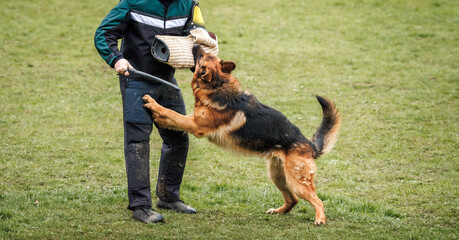
Positive Reinforcement

Positive reinforcement is the most effective way to train a dog. It works because it teaches the dog that when they follow your command, they are rewarded with something they enjoy. This is what motivates dogs to learn and perform the behavior, and it also gives the pet a sense of confidence and control over their behavior.

When a desired behavior is successfully performed, it should be positively reinforced immediately to increase its likelihood of being repeated. This could mean giving a treat, patting, or verbal praise. It is important to avoid rewarding undesirable behaviors, such as ignoring your dog when it barks or playing with it when it play-bites. Many people erroneously believe they are disciplining their pet when they yell commands, but yelling often increases a dog’s arousal level and may encourage aggression.

It is also important to avoid negative reinforcement, which is taking something away that decreases a behavior. For example, if a dog snaps at someone, removing access to food or play will decrease its frequency (negative punishment). This is also known as extinction training and should be used as a last resort.

Setting Realistic Goals

Whether you’re working to improve basic obedience skills, teaching your dog new tricks, or overcoming behavioral issues, it’s important to set realistic goals and avoid getting discouraged by setbacks. It’s also important not to compare your progress to other pet owners or trainers, as every dog learns at their own pace and has unique needs.

Setting attainable training goals is essential for creating a positive learning environment and enhancing the bond between dog and owner. These objectives act as a compass for training sessions, ensuring that each step contributes to the overall progress of behavior modification.

Goals should be customized for the dog’s specific needs and capabilities, as well as its age and breed. For example, a young puppy should focus on socialization and basic obedience, while an older dog may benefit from advanced training or behavior modification strategies.

Using science-backed methods, such as encouragement and redirection instead of physical punishment or forceful collar corrections, helps create a safe, rewarding experience for both parties. Taking small steps towards a larger goal and celebrating each milestone is also important for keeping training momentum and maintaining a healthy, positive relationship.

Training Together

Training is not just a tool for teaching commands, but it is also a way for you to bond with your dog. The positive interaction in training sessions strengthens the bond and provides emotional fulfillment to both dogs and their owners. It also reduces stress that can lead to behavioral issues like chewing, barking, and anxiety.

The one-on-one attention involved in training provides a sense of purpose to your rescue dog. This can be a great outlet for their energy and helps them stay mentally sharp, engaged, and physically active.

In addition, training helps you set clear boundaries with your dog and establish a respectful relationship that fosters trust. This can help you avoid potential liability issues that result from a poorly behaved pet.

This is especially important if your dog is re-homed from a shelter or rescue where they may have had limited socialization to people, new environments, and other dogs. Training can significantly improve their reaction to different people, places, and dogs.

Often, dogs with reactivity or aggression issues in adoptive homes will not do well with other animals in the home. These dogs will need to be trained individually and taught how to interact with other dogs safely and appropriately. This will minimize their negative impact on other pets and household members, as well as the risk of them running loose in the community.

Behavioral Issues

Dogs with behavior problems are often frustrated and distressed. Most behavioral problems can be corrected with time, patience, and a good-quality professional trainer using reinforcement-based training techniques.

Some common problems include incessant biting during play, house soiling, barking or whining, escaping or chewing behaviors that result in injury (like broken teeth or cut and scraped paws), separation anxiety, and territorial behavior. Many of these are normal behaviors that can be redirected with positive behavior and management, while others require more intensive treatment such as medication, aversive stimuli to reduce arousal, desensitization, reconditioning, or response substitution.

In some cases, the underlying cause of the problem may be a health issue, such as pain. This can be addressed with a visit to your veterinarian, and if necessary, medical or dietary treatment. For most dogs, however, the issue is a result of anxiety or other normal but undesirable behaviors. In these cases, counseling from veterinary staff or trainers with extensive knowledge of dog behavior and management is required. Some of these behavioral issues also respond to short-term medications. These are generally sedatives or antianxiety drugs, but can also be analgesics. Regardless of the type of medication used, a good quality trainer and ongoing follow-up visits are important. Some of these behaviors are triggered by specific situations, such as the presence of other dogs or the owner’s actions. These can be redirected with a behavior plan that minimizes interaction and focuses on rewarding the desired behavior.
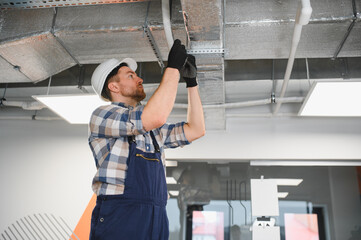
The Duct Cleaning Process Explained Step by Step

Duct Cleaning Salt Lake City

All the air that comes in and out of your building passes through your ductwork. If your ducts are dirty, it may be time for a cleaning.

Duct Cleaning Salt Lake City involves the use of specialized tools to dislodge and vacuum dirt and debris from ductwork systems. In this article, we’ll go over the process step by step so you can understand it better.

Agitate and Draw Debris

Over time, dust and debris collect on all surfaces in a home, including air vents. When the HVAC system runs, these contaminants are sucked into the ductwork and recirculated five to seven times every day. This recirculation can lead to major indoor air quality issues. Poor air quality can exacerbate respiratory problems and cause sneezing, coughing, wheezing, headaches and dizziness. Fortunately, there are ways to keep dust and other debris from collecting inside ducts. Cleaning ducts on a regular basis is one way to prevent air pollution and keep indoor temperatures comfortable.

The first step in the duct cleaning process involves visual inspection of the return and supply vents. This helps the technician identify where the dirt and debris is located and how much is in each duct. It also allows them to assess if the ducts are in need of cleaning or repairs, as well as determine whether they’re fully functional.

After a thorough visual inspection, technicians can use a variety of tools to clean the ductwork. The mechanical agitation technique uses brushes or whips that spin and release compressed air to agitate the ducts. This process is often used in larger commercial systems or older ductwork that’s difficult to clean with brushes or airflow alone. This method is also effective for removing thick layers of dirt and compacted debris.

In contrast, the high-pressure air washing method uses intense streams of compressed air to blast apart heavy and hardened deposits in ducts. This method is especially useful in removing dirt and other debris from ducts with long, narrow cavities. High-pressure air washing can be very effective at breaking apart stuck-on debris and moving it toward a vacuum hose for immediate removal, but it’s also an effective method for removing spores and other microscopic particles that normal duct cleaning processes are not likely to remove.

Once the dust and debris has been agitated or dislodged, a truck-powered vacuum can be used to suck it out of the ductwork. This step is especially important because it creates negative pressure in the ductwork so that the dirty air stays in the ducts and does not escape into the home.

Truck-Powered Vacuuming

A key component of any professional air duct cleaning service is the power vacuuming system that draws away dust, dirt, and dislodged debris. This is why it’s essential to know the difference between companies that use Portable vacuum systems and those that employ Truck-Mounted cleaning systems.

In most cases, the best option is to choose a company that utilizes a powerful vac truck. These large vehicles are built specifically for the purpose of industrial strength sludge and waste removal. They’re also used for sewer line cleanup, tank cleaning, and general waste removal. Oftentimes, they can be seen in factories and warehouses as well as retail stores, restaurants, and banks.

Truck-mounted vacuum systems provide superior power and larger hose diameters than portable systems. This allows them to remove a wider range of materials, including ceramic tile scraps, caulk tubes, and even empty food bags and hammers. The resulting debris is then quickly and efficiently whisked away through the truck’s large collection hose to be stored in the onboard trash container for proper disposal.

The fact that the truck-mounted system remains outside of the home or business throughout the entire cleaning process also makes it a safer option than a portable unit. This is because harmful pollutants can be re-released back into the indoor living environment if a portable system fails to effectively filter or seal its suction. In contrast, the hose on a truck-mounted system is 8″ to 10″ wide, which significantly reduces the risk of contaminants making their way back into the living space.

Air Blowers

Air blowers use an impeller to draw in air, pressurize it, then expel it in a direction specified by the operator. They are used in a wide variety of industrial applications that require high-speed and continuous flow of air at varying pressure levels.

The selection of the right type of air blower for an application is critical to the performance and longevity of the equipment. There are blower selection tools available that can help narrow down what type of equipment may work for your specific needs based on basic flow and pressure/vacuum requirements. However, it is always best to contact an expert who has years of experience working with this kind of equipment and has a comprehensive understanding of the specific requirements of your particular application.

For example, if your application involves vacuuming up volatile chemicals, you will need a chemical-resistant blower. If you are using the blower for industrial ventilation purposes, it is important to know whether the blower will be operating in a cold or hot environment. You will also need to understand the humidity level and temperature in the area where the blower will be installed, as these factors can significantly impact the performance of the unit.

Generally, an air duct cleaning professional will use one of several different types of blowers. Centrifugal blowers are usually the most common, as they can be used in a variety of settings and can be operated at low to moderate speeds with little noise generation. Rotary lobe blowers and root blowers are often used in pneumatic conveying systems, water or wastewater treatment, and other industrial processes.

If you are considering doing a duct cleaning project yourself, be sure to consider the costs involved. The only required tools besides a Shop-Vac are a leaf blower or other similar portable air compressor, wool insulation, tape and an extending duct cleaning brush. You can find a leaf blower for less than $100, and you probably have most of the other items lying around your house. You will need to switch off your furnace before beginning the task, and then remove all the heating vent covers and cold air return vents in your home. Seal each vent with cardboard, making sure that the cardboard is a bit larger than the opening, and fasten it to the vent with masking tape.

Cleaning Clothes

Over time, all sorts of contaminants can build up in your ducts: bacteria, pet dander, dead skin cells, dust, tobacco smoke, chemicals and more. These contaminants get pulled into the air conditioning or heating system and recirculated five to seven times per day. Over time, this recirculation can cause a significant amount of buildup in your ducts.

When this buildup is left unchecked, it can lead to serious respiratory problems. It can aggravate asthma, auto-immune disorders and other conditions and it can cause symptoms like sneezing, wheezing, and difficulty breathing. In addition to these health issues, dirty ducts can contribute to foul odors and higher utility bills.

One of the biggest reasons homeowners turn to duct cleaning services is to alleviate these respiratory problems. In addition to the other steps in the process, these professionals clean ducts with brushes, scrapers and vacuums to ensure that all contaminants are removed from your home.

The brushes and scrapers can be used to loosen any debris that has stuck to duct walls or corners, while the vacuums are used to suck away the debris from inside the ducts. They are also able to reach into the corners of vents where duct lint often builds up.

Some companies use ozone to clean ducts, but this method is not recommended by the EPA. Ozone is a highly corrosive gas and can damage many surfaces in your home. It can fade carpets and draperies and it can rust or oxidize metals. In addition, ozone is also harmful to humans in high concentrations.

Once the ducts are cleaned, they are rinsed with water to remove any remaining dirt or contaminants. This helps prevent odors from returning after the ducts are re-pressurized. Then, the clean ducts are wiped down with a disinfecting cleaner to kill any bacteria that may still be living in your ducts.

Duct cleaning is important for both residential and commercial properties. It is especially important for homes and businesses that have recently undergone construction or remodeling projects. While contractors are usually careful to close off work areas and keep construction dust to a minimum, some of that dust is bound to make its way into your HVAC system.