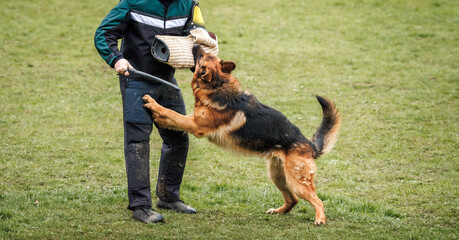
Training helps to shape well-rounded dogs, and it also helps to build trust between the dog and their owner. Training is especially important for rescue dogs, many of whom may be wary or anxious in new environments due to their past experiences.
This symbiotic relationship augments prisoners’ lives, and some participants go on to pursue dog training as a career after their release. We look at a program that trains rescue dogs while teaching incarcerated people valuable marketable skills.
Positive Reinforcement
Positive reinforcement is the most effective way to train a dog. It works because it teaches the dog that when they follow your command, they are rewarded with something they enjoy. This is what motivates dogs to learn and perform the behavior, and it also gives the pet a sense of confidence and control over their behavior.
When a desired behavior is successfully performed, it should be positively reinforced immediately to increase its likelihood of being repeated. This could mean giving a treat, patting, or verbal praise. It is important to avoid rewarding undesirable behaviors, such as ignoring your dog when it barks or playing with it when it play-bites. Many people erroneously believe they are disciplining their pet when they yell commands, but yelling often increases a dog’s arousal level and may encourage aggression.
It is also important to avoid negative reinforcement, which is taking something away that decreases a behavior. For example, if a dog snaps at someone, removing access to food or play will decrease its frequency (negative punishment). This is also known as extinction training and should be used as a last resort.
Setting Realistic Goals
Whether you’re working to improve basic obedience skills, teaching your dog new tricks, or overcoming behavioral issues, it’s important to set realistic goals and avoid getting discouraged by setbacks. It’s also important not to compare your progress to other pet owners or trainers, as every dog learns at their own pace and has unique needs.
Setting attainable training goals is essential for creating a positive learning environment and enhancing the bond between dog and owner. These objectives act as a compass for training sessions, ensuring that each step contributes to the overall progress of behavior modification.
Goals should be customized for the dog’s specific needs and capabilities, as well as its age and breed. For example, a young puppy should focus on socialization and basic obedience, while an older dog may benefit from advanced training or behavior modification strategies.
Using science-backed methods, such as encouragement and redirection instead of physical punishment or forceful collar corrections, helps create a safe, rewarding experience for both parties. Taking small steps towards a larger goal and celebrating each milestone is also important for keeping training momentum and maintaining a healthy, positive relationship.
Training Together
Training is not just a tool for teaching commands, but it is also a way for you to bond with your dog. The positive interaction in training sessions strengthens the bond and provides emotional fulfillment to both dogs and their owners. It also reduces stress that can lead to behavioral issues like chewing, barking, and anxiety.
The one-on-one attention involved in training provides a sense of purpose to your rescue dog. This can be a great outlet for their energy and helps them stay mentally sharp, engaged, and physically active.
In addition, training helps you set clear boundaries with your dog and establish a respectful relationship that fosters trust. This can help you avoid potential liability issues that result from a poorly behaved pet.
This is especially important if your dog is re-homed from a shelter or rescue where they may have had limited socialization to people, new environments, and other dogs. Training can significantly improve their reaction to different people, places, and dogs.
Often, dogs with reactivity or aggression issues in adoptive homes will not do well with other animals in the home. These dogs will need to be trained individually and taught how to interact with other dogs safely and appropriately. This will minimize their negative impact on other pets and household members, as well as the risk of them running loose in the community.
Behavioral Issues
Dogs with behavior problems are often frustrated and distressed. Most behavioral problems can be corrected with time, patience, and a good-quality professional trainer using reinforcement-based training techniques.
Some common problems include incessant biting during play, house soiling, barking or whining, escaping or chewing behaviors that result in injury (like broken teeth or cut and scraped paws), separation anxiety, and territorial behavior. Many of these are normal behaviors that can be redirected with positive behavior and management, while others require more intensive treatment such as medication, aversive stimuli to reduce arousal, desensitization, reconditioning, or response substitution.
In some cases, the underlying cause of the problem may be a health issue, such as pain. This can be addressed with a visit to your veterinarian, and if necessary, medical or dietary treatment. For most dogs, however, the issue is a result of anxiety or other normal but undesirable behaviors. In these cases, counseling from veterinary staff or trainers with extensive knowledge of dog behavior and management is required. Some of these behavioral issues also respond to short-term medications. These are generally sedatives or antianxiety drugs, but can also be analgesics. Regardless of the type of medication used, a good quality trainer and ongoing follow-up visits are important. Some of these behaviors are triggered by specific situations, such as the presence of other dogs or the owner’s actions. These can be redirected with a behavior plan that minimizes interaction and focuses on rewarding the desired behavior.